

In this guide, we will look at practical ways to reduce your costs without sacrificing your standard of living. In the process, you will have more money left over to focus on things that matter.
Please note that the figures and data presented are based on research conducted by third-party sources. These numbers are subject to change over time and may vary depending on the context and timing of the analysis.
Overview

Managing living expenses is a key part of financial wellbeing, especially in times of economic uncertainty or when trying to save for future goals. Fortunately, there are three straightforward and effective strategies that anyone can apply to reduce their cost of living without necessarily sacrificing quality of life:
Reduce wastage. This approach focuses on eliminating unnecessary spending. It involves identifying items, services, or habits that don’t add real value or are underutilised. Examples include unused subscriptions, excessive energy use, food waste, or impulse purchases. By cutting back on what you don’t need or use, you free up money for more meaningful or essential expenses.
Get a better price. Here, the goal is to pay less for the same product or service. This can be achieved through comparison shopping, using discounts or coupons, buying in bulk, or negotiating better deals. Whether it’s groceries, insurance, or internet plans, finding a lower unit price for the same item helps stretch your budget further without changing your lifestyle.
Switch to a lower-cost option. This strategy involves substituting a product or service with a more affordable alternative that still meets your needs. For example, cooking at home instead of dining out, using public transport instead of owning a car, or choosing generic brands over premium ones. These substitutions can significantly reduce costs while still delivering similar benefits.
Reducing wastage
The most effective way to save money without impacting your standard of living is to reduce wastage on unnecessary expenses. It may require some effort since you need to be more vigilant and break some bad habits, but the potential savings can be significant.
1. Unused subscriptions

Australians spend an average of $105 per month on subscriptions they don’t use – amounting to $1,260 per year per person.
- Audit your subscriptions: use budgeting apps or bank statements to list all recurring charges.
- Cancel unused services: streaming platforms like Netflix, Disney+ and Stan are easy to cancel online.
- Rotate subscriptions: subscribe to one service at a time (e.g. Netflix for 2 months, then Disney+).
- Set reminders: use calendar alerts to review subscriptions monthly.
2. Unused food
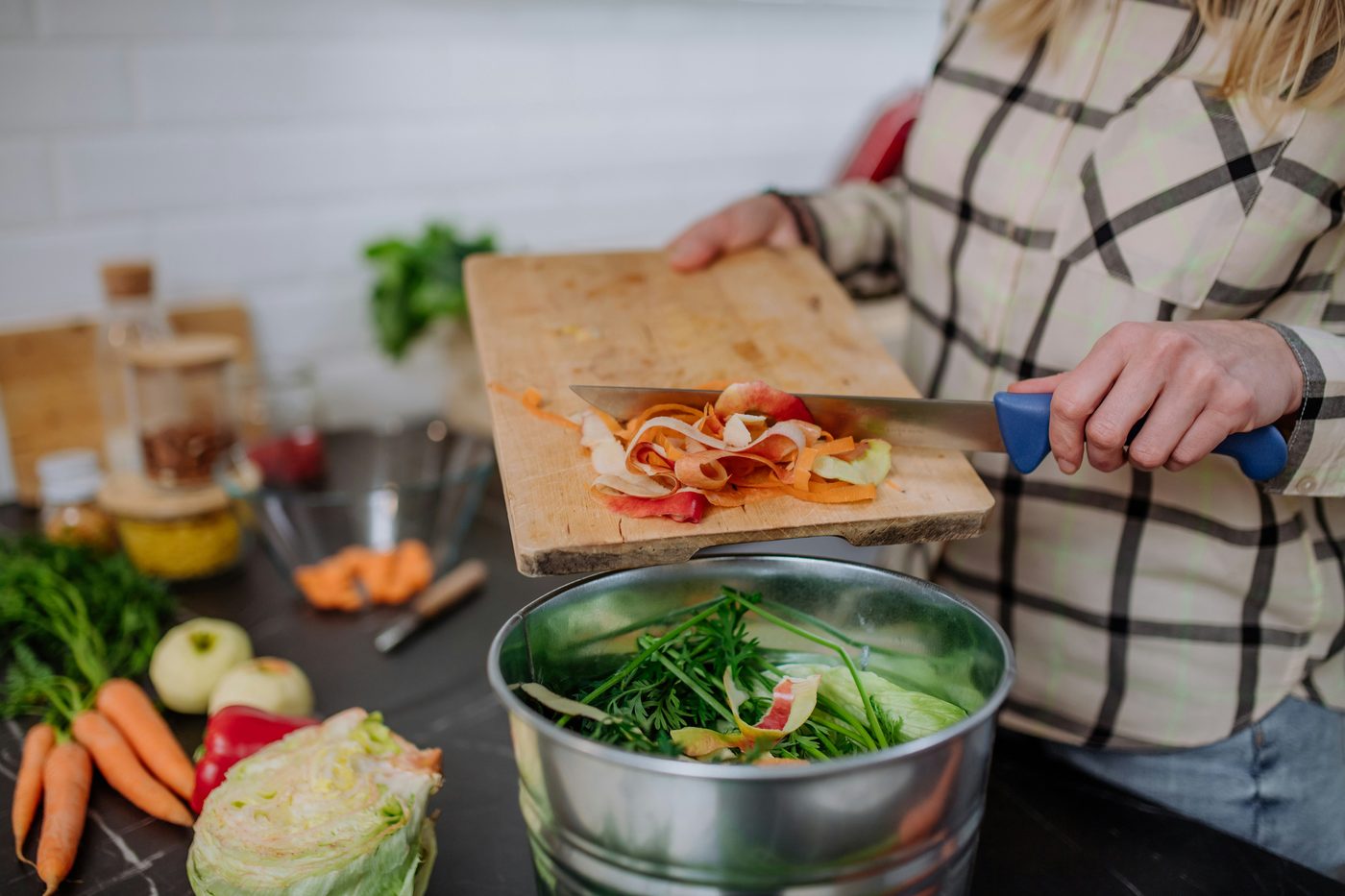
Australian households waste $2,200–$3,800 per year on edible food that gets thrown out.
- Plan meals weekly: use what’s already in your fridge and pantry.
- Stick to a shopping list: avoid impulse buys.
- Store food properly: use airtight containers and label leftovers.
- Use your freezer: freeze excess food and ripe produce.
- Get creative with leftovers: turn roast veggies into soup or overripe bananas into banana bread.
3. Power wastage

Energy bills are inflated by inefficient usage, especially heating and cooling, and standby power.
- Use appliances efficiently: turn off devices at the wall.
- Switch to LED lighting: save on electricity.
- Use fans instead of air conditioning: especially in summer.
- Block drafts: seal windows and doors.
- Compare energy providers: use tools like Energy Made Easy to find better deals.
4. Water wastage
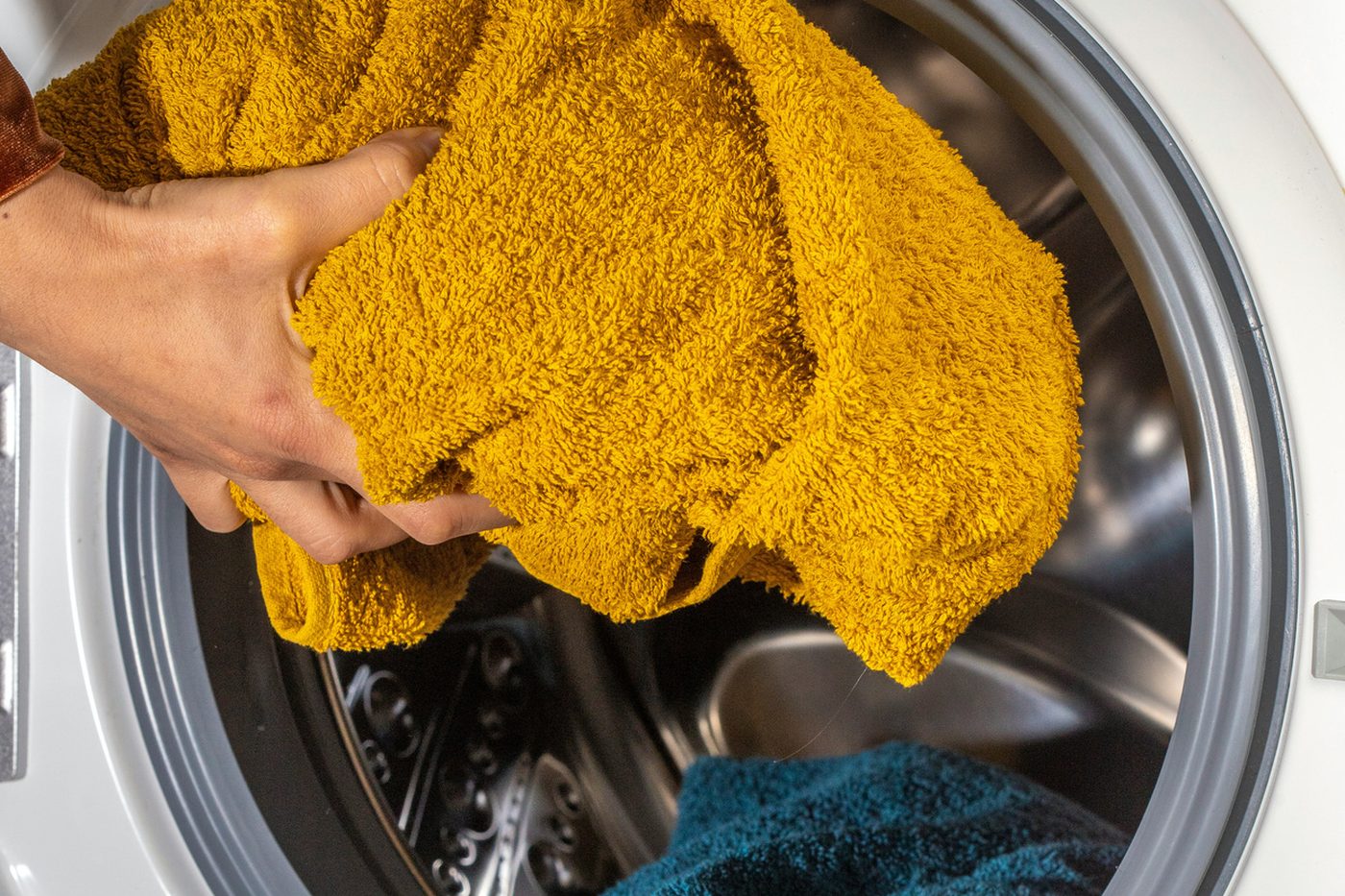
Leaky taps and inefficient water use can waste up to 20,000 litres a year – costing money and harming the environment.
- Fix leaks: a dripping tap can waste thousands of litres.
- Install water-saving devices: showerheads, tap aerators and dual-flush toilets.
- Limit shower time: aim for 4 minutes.
- Use full loads in washing machines and dishwashers.
- Collect rainwater: install a water tank for garden use.
| Expense type | Annual savings potential |
|---|---|
| Unused subscriptions | $1,260 – $1,500 |
| Food waste | $2,200 – $3,800 |
| Power wastage | $300 – $600 |
| Water wastage | $200 – $400 |
| Total | $3,960 – $6,300 |
Getting a better price
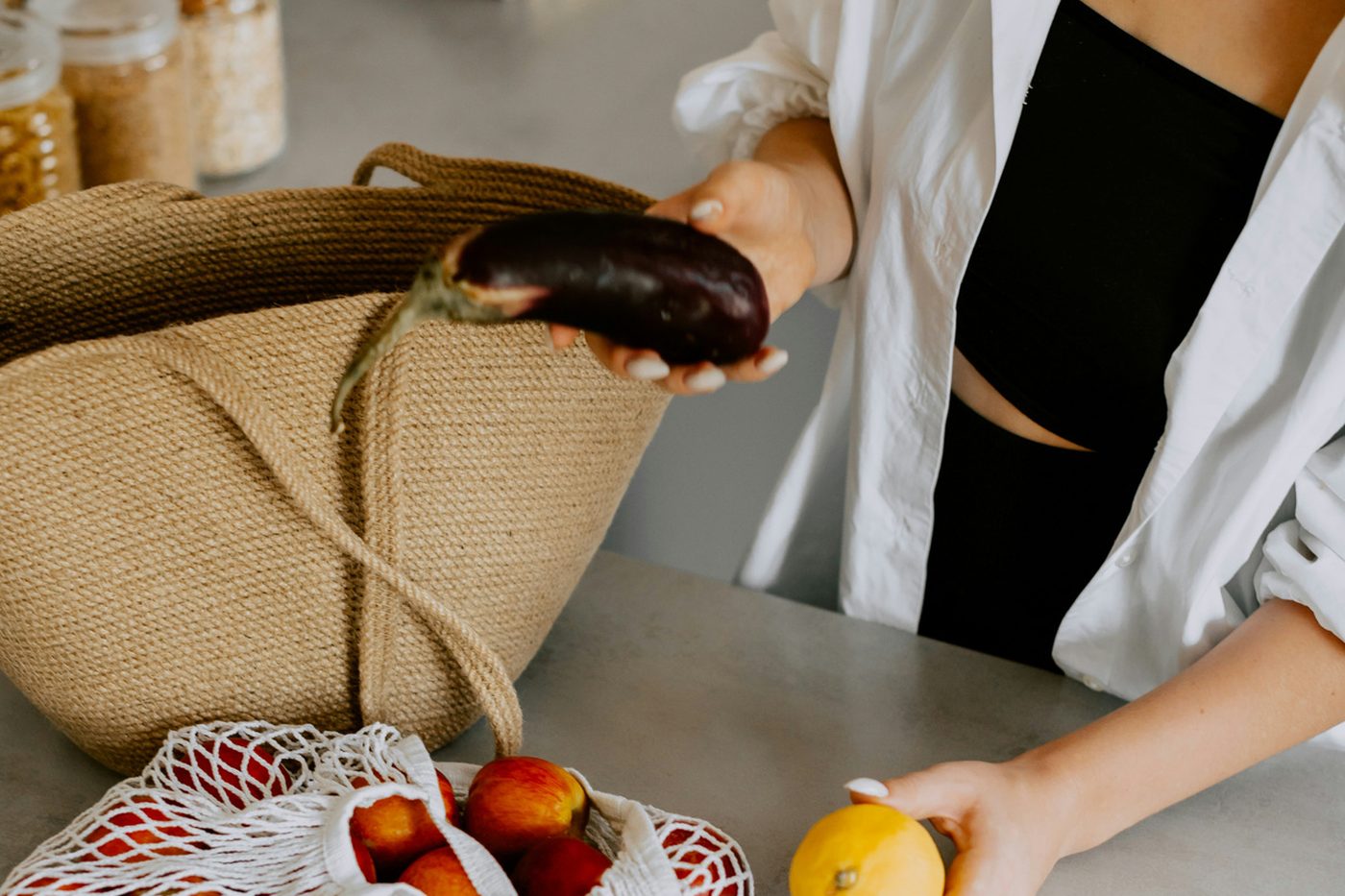
Another way to cut your living cost is to get a better price on everyday purchases by using smart shopping strategies.
1. Buy seasonal produce
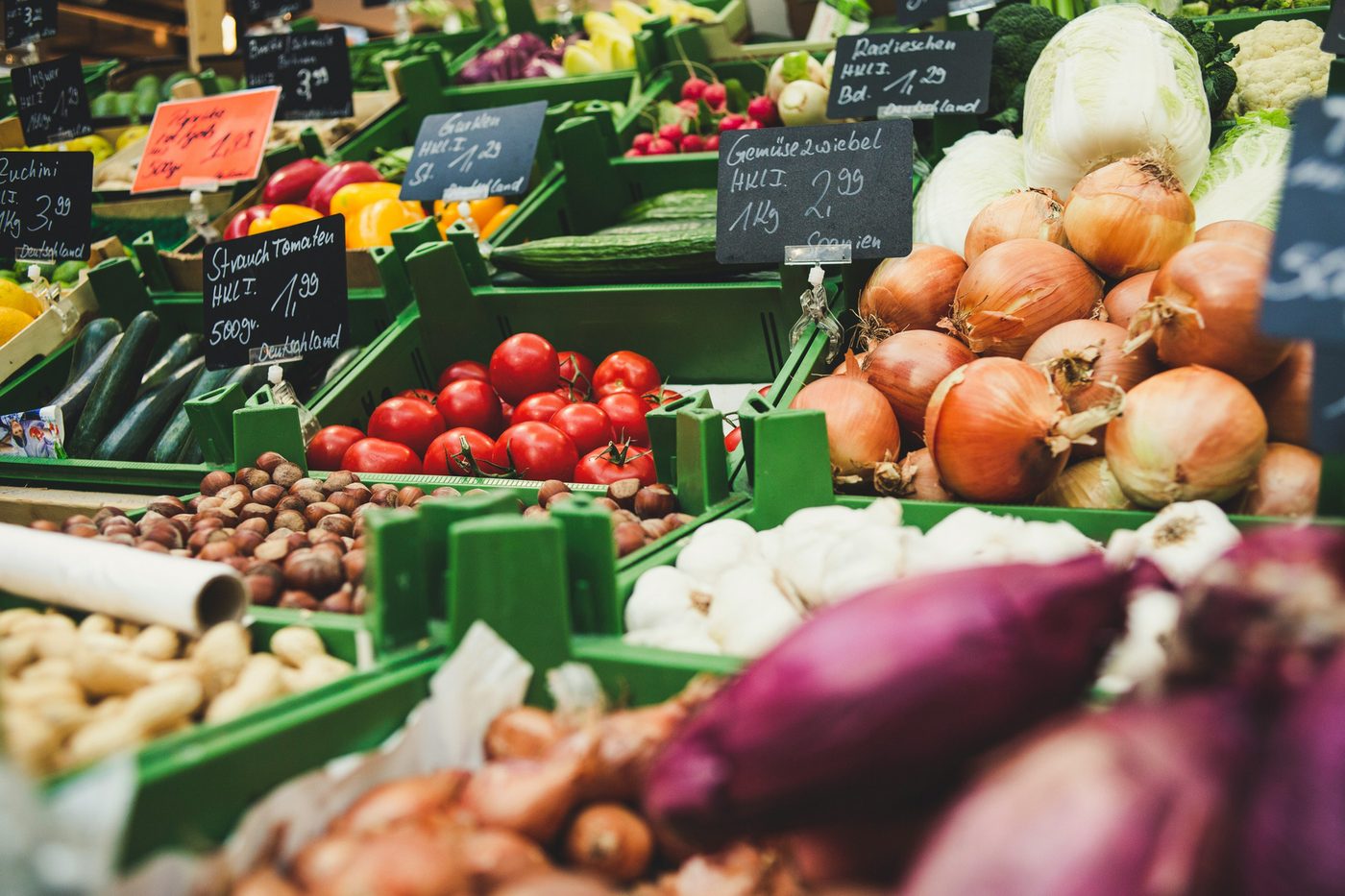
Seasonal fruits and vegetables are often 2 to 4 times cheaper than out-of-season produce because they’re locally grown and don’t require long-distance transport or storage.
- Shop at local markets or check supermarket specials.
- Use seasonal guides (e.g. Sydney Markets or Sustainable Table).
- Substitute expensive items with seasonal alternatives (e.g. swap limes for lemons, or broccoli for kale).
2. Use price comparison apps

Apps like WiseList and Frugl allow users to compare prices across major supermarkets (Coles, Woolworths, Aldi), helping shoppers find the best deals without visiting multiple stores.
- Download a comparison app (WiseList, Frugl, WhichGrocer).
- Create a grocery list and compare prices across stores.
- Use “mix and match” features to split your shop for maximum savings.
3. Compare unit prices
Unit pricing shows the cost per 100g, litre, or item, making it easier to compare products of different sizes or brands.
- Always check the shelf label for unit price.
- Compare bulk versus smaller packs.
- Use unit pricing to evaluate sale items.
4. Buy in bulk
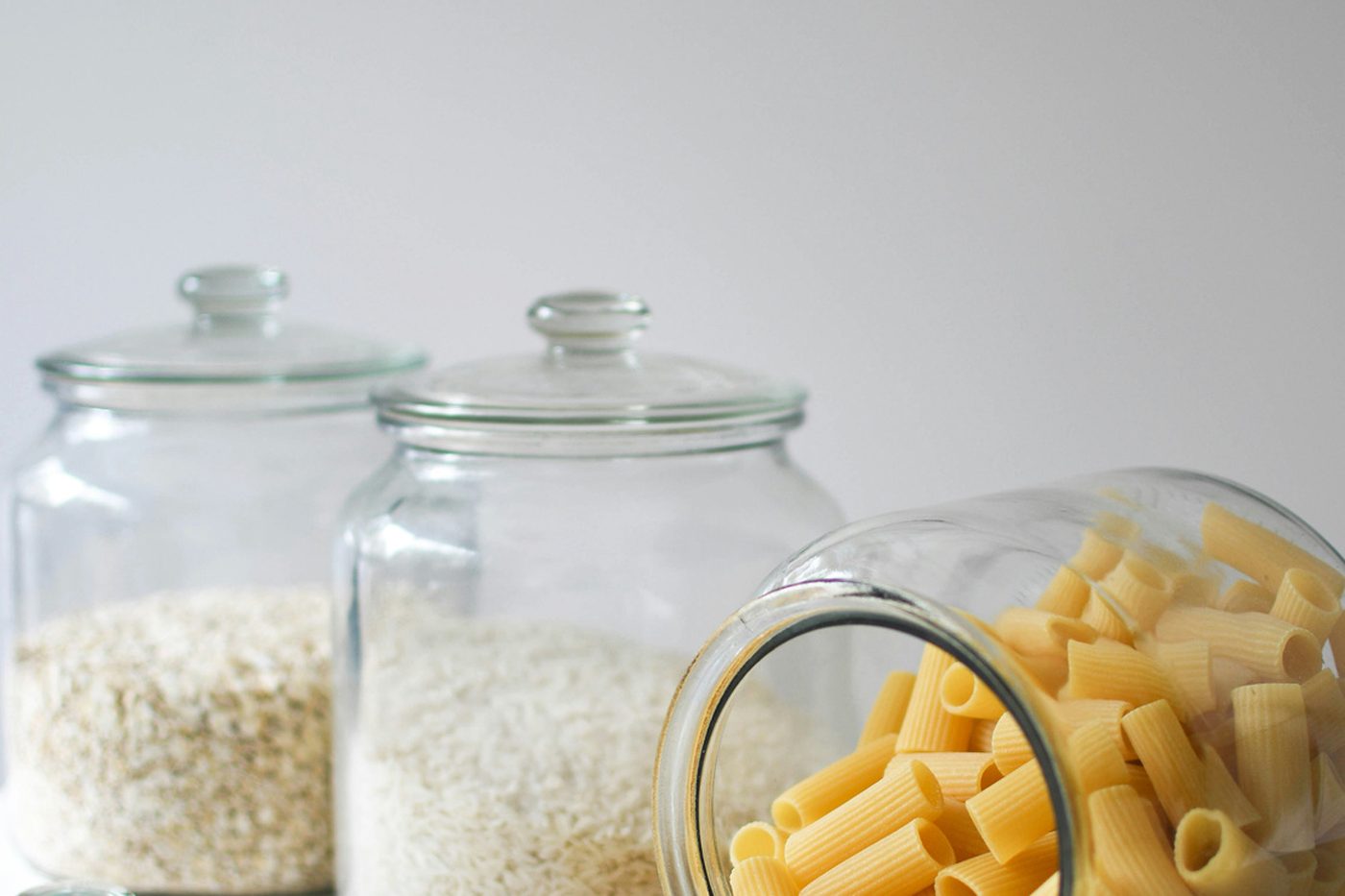
Bulk buying reduces the unit cost and cuts down on frequent shopping trips, saving time and petrol.
- Focus on non-perishables (rice, pasta, canned goods).
- Use airtight containers for storage.
- Calculate unit price to confirm savings.
5. Check for bundling deals
Bundling services (e.g. internet plus streaming) can reduce monthly bills and simplify payments.
- Look for telco bundles (Telstra, Optus, Vodafone).
- Use platforms like SubHub or Hubbl to combine subscriptions.
- Compare bundled versus standalone costs.
Example. Optus offers 10% off when bundling three or more subscriptions via SubHub. Telstra includes free trials or discounted streaming with NBN plans.
| Strategy | Estimated annual savings |
|---|---|
| Seasonal produce | $300 – $600 |
| Price comparison apps | $500 – $1,000 |
| Unit pricing | $200 – $400 |
| Bulk buying | $300 – $800 |
| Bundling services | $100 – $300 |
| Total potential savings | $1,400 – $3,100 |
Switch to lower cost options
Substituting a product or service with a more affordable alternative – while still meeting your needs – is one of the most powerful ways you can save. This strategy, known as the substitution effect, helps maintain quality of life while reducing costs across food, transport, energy, and everyday shopping.
1. Cooking at home instead of dining out

Australians spend an average of $95.50 per week on restaurant meals and takeaway. That’s nearly $5,000 per year. Cooking at home can cut this cost by more than half.
- Plan weekly meals and shop with a list.
- Batch cook and freeze meals.
- Use leftovers creatively (e.g. smoothies, soups, stir-fries).
- Grow herbs or veggies at home.
2. Using public transport instead of owning a car

Owning even the cheapest car in Australia costs nearly $9,000 a year. In contrast, the average household spends just $2,137 a year on public transport – a potential saving of $6,800 annually.
- Use public transport for commuting and errands.
- Consider car-sharing or ride-hailing for occasional trips.
- Sell or avoid buying a second car.
3. Switching to generic brands

Switching to supermarket home brands can save up to 41% on groceries. For a typical trolley of 13 items, the savings can be $32.80 per shop, or over $1,700 a year.
- Compare prices per unit (e.g. per 100g or litre).
- Try generic versions of staples like milk, bread, cleaning products and toiletries.
- Use comparison tools like Frugl or WiseList.
| Item | Brand name | Generic | Savings |
|---|---|---|---|
| Milk (3L) | $5.95 | $4.35 | $1.60 |
| Bread (700g) | $4.50 | $2.80 | $1.70 |
| Cleaner (750ml) | $4.00 | $2.00 | $2.00 |
| Tea bags (50pk) | $6.00 | $2.20 | $3.80 |
4. Other common substitutions
| Category | Expensive option | Affordable substitute | Potential savings |
|---|---|---|---|
| Protein | Beef | Chicken or legumes | $10–$20 a week |
| Drinks | Soft drinks | Tap water or soda water | $500 a year |
| Energy | Grid electricity | Rooftop solar | $800–$1,200 a year |
| Fitness | Gym membership | YouTube workouts or walking | $600 a year |
| Substitution strategy | Estimated annual savings |
|---|---|
| Cooking at home | $3,000 – $5,000 |
| Public transport | $5,000 – $7,000 |
| Generic brands | $1,000 – $1,700 |
| Other substitutions | $500 – $2,000 |
| Total | $9,500 – $15,700 |
Sources
- The ultimate guide to cutting subscription costs for Aussies — PressPay
- 14 easy ways to reduce food waste at home — CHOICE
- The Great Unwaste — The Drum
- Reduce your energy bills — energy.gov.au
- Easy water-saving tips — The Nature Conservancy Australia
- How to save money eating seasonally — ABC News
- Grocery price comparison — WiseList
- What is unit pricing? — Canstar Blue
- Smart bulk buying strategies — BulkBuys
- The simple shopping swap that could save you $4,000 a year — SBS News
- Best streaming bundles in Australia — Canstar Blue
- Saving money on food: the Australian way of frugal living — Anne Cohen Writes
- Car versus public transport or ride-share: what are the real costs? — YMYL
- Half of shoppers switch to generic brands — Compare the Market
- The substitution effect in 2025 — Cockatoo